

Ferrous Metals Contain Iron and Respond to a Magnet
Ferrous metals are metals that contain iron, and iron is what makes them magnetic and prone to rust. Carbon steel, cast iron, and wrought iron are all ferrous, along with the structural steel, rebar, pipe, machinery, and appliances made from them. Ironman Metals recycles every one of them at its 7-acre yard in Southeast Houston. Stainless steel is the exception: it is iron-based but graded separately, so it has its own Stainless Steel Recycling page.
Four quick checks sort most loads before they reach the scale.
A Magnet Sticks to Ferrous Metals and Slides Off Most Non-Ferrous Metals
Steel and iron respond to a magnet, while copper, aluminum, and brass do not. Stainless 304 and 316 are iron-based but usually do not stick either.
Ferrous Metals Turn Orange-Brown When Exposed to Moisture
Rust signals iron in the metal. Non-ferrous metals do not rust, though they may turn green, white, or dull.
Ferrous Metals Feel Heavy for Their Size
Steel beams, rebar, and cast iron carry noticeable weight. Copper and brass are heavy too, while aluminum is light, so weight works best alongside the magnet test.
Steel Beams, Rebar, Cast Iron, and Appliances Are Typical Ferrous Scrap
Copper wire, aluminum siding, and brass fittings are the typical non-ferrous counterparts. Sorting the two groups before loading keeps each pile at its own price.
Non-ferrous metals earn a higher price per pound, so a quick check before loading pays off. Non-Ferrous Metals Recycling covers that side of the yard.

Demolition Crews, Plant Maintenance Teams, and Fabricators Generate Houston’s Ferrous Scrap
Demolition contractors bring structural steel, rebar, and steel framing from tear-downs across the Houston area. Maintenance teams at Ship Channel industrial plants produce pipe, plate, tank sections, and pipe-rack steel during turnarounds. Steel fabricators in Pasadena, Galena Park, and Southeast Houston generate plate offcuts, cut ends, and rejected parts. Construction crews add rebar cutoffs, steel studs, and form hardware from active job sites. Households contribute appliances and old equipment.
Ironman Metals handles all of these ferrous streams at one yard, so a contractor with demolition steel and a plant with maintenance scrap use the same weigh-in process. The Steel and Iron Recycling page covers specific materials such as structural steel, rebar, and appliances in more detail.

Three Service Options Match Ferrous Loads to the Right Equipment
Ferrous loads range from one appliance to a full demolition site, so Ironman Metals matches each load to one of three channels.
Drive-in drop-off fits individuals and smaller loads. A homeowner with an old washer and dryer weighs in at the yard, and no appointment is required.
Commercial roll-off service fits businesses that produce ferrous scrap every week. Ironman Metals delivers and services the container, and container size and pickup frequency follow the operation’s actual output.
On-site live loading fits facilities that load their own trucks. Material goes straight from the site onto a truck during the visit, which works best when the facility has loading equipment on hand.

A 7-Acre Yard With Two Truck Scales Handles Ferrous Loads Up to 100,000 Pounds
Ironman Metals operates a 7-acre recycling yard at 1919 Goodyear Drive near the Houston Ship Channel. Two industrial truck scales weigh roll-offs, flatbeds, and heavy haul trucks carrying 80,000 to 100,000 pounds. Excavators with claw attachments feed and sort the yard’s ferrous inventory at a pace hand-loading cannot match. That capacity lets the yard accept large industrial loads that smaller facilities turn away.
The yard’s position near State Highway 225 gives trucks from Ship Channel plants, Pasadena fabricators, and Deer Park industrial sites a direct route in.
Ferrous scrap earns less per pound than non-ferrous metals, so volume drives the return on a ferrous load. Ironman Metals weighs each load on certified scales and pays on the weight and type of material delivered.
Customers who also have copper, aluminum, or brass should keep those apart from the steel, because those metals are priced separately and earn more per pound. Non-Ferrous Metals Recycling explains how that sorting works.

Ferrous Scrap Pays by Weight, While Non-Ferrous Metals Pay More Per Pound
Ferrous scrap earns less per pound than non-ferrous metals, so volume drives the return on a ferrous load. Ironman Metals weighs each load on certified scales and pays on the weight and type of material delivered.
Customers who also have copper, aluminum, or brass should keep those apart from the steel, because those metals are priced separately and earn more per pound. Non-Ferrous Metals Recycling explains how that sorting works.
At Ironman Metals Recycling, we are dedicated to preserving our planet through sustainable metal recycling practices by transforming discarded metals into reusable materials. Our eco-friendly approach not only supports a circular economy but also contributes to a clean, healthier environment for future generations.

Scrap Metal Dealer in Houston Near Me
Pasadena, TX
Plant shutdown crews and steel fabricators haul pipe, plate, and structural steel to the yard on State Highway 225. Both groups use the same weigh-in as everyone else.
Galena Park, TX
Dock and terminal crews deliver steel from platforms, equipment, and structural repairs. Ironman Metals weighs each load on certified scales.
Deer Park, TX
Petrochemical maintenance crews send pipe racks, piping runs, and machinery components. The yard’s claw excavators handle the heavier pieces.
Baytown, TX
Heavy haul trucks from refinery and industrial sites weigh in on the yard’s two truck scales. The scales handle loads of 80,000 to 100,000 pounds.
Channelview, TX
Manufacturers and processors send machinery scrap, plate offcuts, and structural steel. These loads suit commercial accounts that generate ferrous scrap every week.
La Porte, TX
Industrial maintenance crews and contractors both bring steel, from piping to demolition debris. Ironman Metals handles each at the same yard.
South Houston, TX
Homeowners and small contractors bring appliances, garage cleanouts, and demolition steel for a drive-in weigh-in. No appointment is required.
Greater Houston
Demolition and construction crews from Katy, Sugar Land, Pearland, Missouri City, Humble, Spring, Cypress, The Woodlands, and League City bring rebar, steel framing, and old equipment. Each load goes through the same process as the industrial deliveries.
Call (281) 974-2651 to check whether your location works for a roll-off or a live loading job.
Other Materials Ironman Metals Accepts

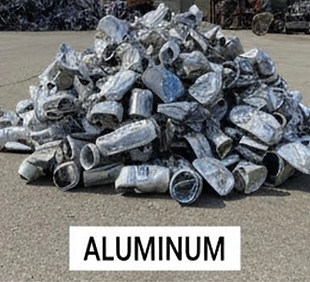
Grade and condition determine price here, not just weight. We see everything from crushed cans to structural extrusions, siding, and wheels — the more sorted it arrives, the better it pays.
Aluminum
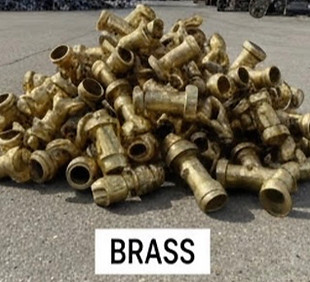
Most of the brass we buy started life as plumbing hardware. Faucets, valves, and fittings show up more than any other brass source, and they're accepted right alongside the rest of your non-ferrous load.
Brass

Non-ferrous metals contain no iron, so they do not rust and do not stick to a magnet. Copper, aluminum, and brass are the three core non-ferrous metals Ironman Metals buys, and each typically earns a higher price per pound than ferrous scrap.