

Stainless Steel Recycling in Houston Near Me
Ironman Metals buys stainless steel scrap at its 7-acre recycling yard at 1919 Goodyear Drive in Southeast Houston. The yard sits near the Houston Ship Channel corridor and State Highway 225, so stainless from east-side plants, shops, and kitchens reaches the scale without a cross-town haul. Stainless arrives at the weigh-in separately from carbon steel because the two metals pay differently.
Individuals and small operators drive in, weigh in, and get paid for what the scale reads. Commercial and industrial accounts use free roll-off containers and on-site live loading to move stainless out of their facilities without stockpiling it. Ironman Metals also buys the rest of the ferrous and non-ferrous stream, so a mixed shop cleanup can go to one yard.

Nickel and Chromium Content Sets the Value of Stainless Steel Scrap
Stainless steel is an iron-based alloy that contains at least 10.5 percent chromium, and the chromium is what keeps it from rusting. Nickel and molybdenum add further value, which is why Ironman Metals grades stainless apart from carbon steel instead of weighing it with ordinary ferrous scrap. On-site testing equipment identifies the alloy, and the alloy sets the price per pound.
The three grades below are among the most common stainless grades in scrap.
Type 304 Stainless Carries About 18% Chromium and 8% Nickel
Type 304 is usually non-magnetic and comes mostly from kitchen equipment, sinks, prep tables, and food-plant fabrication. Its nickel content typically earns it a higher price than type 430.
Type 316 Stainless Adds 2% to 3% Molybdenum for Chemical and Marine Use
Type 316 contains about 16% to 18% chromium and 10% to 14% nickel, is usually non-magnetic, and comes from chemical process tanks, piping, and marine and coastal hardware. The added molybdenum typically earns it a higher price than type 304.
Type 430 Stainless Contains No Nickel and Responds to a Magnet
Type 430 contains about 16% to 18% chromium and comes from appliance panels, range hoods, trim, and exhaust components. Because it has no nickel, it typically pays less than 304 or 316.
Compositions are typical values, and mill specifications vary.

Houston Restaurants, Process Plants, and Fabrication Shops Generate Stainless Scrap
Houston’s restaurant and food-service industry retires stainless sinks, prep tables, hood systems, and steam equipment whenever a kitchen remodels or closes. The process plants along the Ship Channel replace stainless tanks, vessels, piping, and heat-exchanger components during maintenance shutdowns. Fabrication shops in Pasadena, Deer Park, and Southeast Houston produce stainless sheet offcuts, tube ends, and weld-shop trimmings. Port Houston and the marine work around it add 316 railings, fittings, and hardware.
Ironman Metals receives all four streams at the same yard. Commercial kitchen equipment, industrial tanks, and fabrication scrap are the sources that show up most often at the scale.

Sorting Stainless Steel Before Drop-Off Protects Its Grade Premium
A magnet separates most stainless from carbon steel. Type 430 sticks to a magnet, while 304 and 316 usually do not, so a failed magnet test does not rule stainless out. Aluminum is also non-magnetic, but it weighs about a third as much as stainless of the same size.
Stainless kept apart from carbon steel holds its grade premium, while stainless buried in a steel pile can be paid at the lower steel rate. Three steps keep the premium intact:
Remove rubber gaskets, plastic, insulation, and carbon steel hardware from equipment before loading.
Empty tanks and vessels completely and let them dry before they leave your site.
Keep stainless in its own pile or container, separate from steel, aluminum, and copper.
Ironman Metals tests whatever arrives at the scale, so a load that could not be sorted at your site still gets graded.

Industrial Stainless Loads Move Through Two Truck Scales and Claw Excavators
Large stainless pieces such as tanks, vessels, and fabricated assemblies need equipment that hand-sorting cannot replace. Ironman Metals unloads and sorts them with excavators fitted with claw attachments. Two industrial truck scales weigh roll-offs, flatbeds, and heavy haul trucks carrying 80,000 to 100,000 pounds, so a full plant cleanout is weighed in a single pass.
Commercial accounts choose between two pickup options. A free roll-off container sits at the job site and fills at the customer’s pace. On-site live loading moves stainless straight onto a truck when the facility has equipment available to load during the visit. Contacting Ironman Metals before a large shutdown or demolition lets the team match roll-off size and pickup frequency to the stainless volume.
At Ironman Metals Recycling, we are dedicated to preserving our planet through sustainable metal recycling practices by transforming discarded metals into reusable materials. Our eco-friendly approach not only supports a circular economy but also contributes to a clean, healthier environment for future generations.

Stainless Steel Scrap Reaches Ironman Metals From Plants, Kitchens, and Shops Across the Houston Area
Pasadena, TX
Fabrication shops and equipment suppliers send stainless sheet offcuts, tube ends, and weld-shop trimmings to the yard. The trip runs along State Highway 225, which keeps these loads close.
Deer Park, TX
Plant maintenance crews retire stainless piping, vessels, and heat-exchanger components during shutdowns. Ironman Metals tests each piece to identify the alloy before it sets a price.
Galena Park, TX
Port and terminal work produces 316 railings, fittings, and marine hardware. Marine-grade stainless is graded apart from carbon steel at the scale.
Baytown, TX
Refining and chemical operations replace stainless tanks and process piping. The yard’s claw excavators unload and sort the larger pieces.
Channelview, TX
Processing and manufacturing facilities send stainless equipment, sheet scrap, and fabricated parts. Ironman Metals weighs these loads separately from the carbon steel they arrive with.
Greater Houston Restaurants and Kitchens
Kitchens in Katy, Sugar Land, Pearland, The Woodlands, and League City retire stainless sinks, prep tables, and hood systems during remodels. These loads go through the same weigh-in as industrial stainless.
If your area is not listed, call (281) 974-2651 and Ironman Metals will confirm whether your stainless can come to the yard.
Other Materials Ironman Metals Accepts

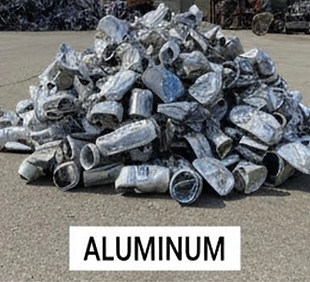
Grade and condition determine price here, not just weight. We see everything from crushed cans to structural extrusions, siding, and wheels — the more sorted it arrives, the better it pays.
Aluminum
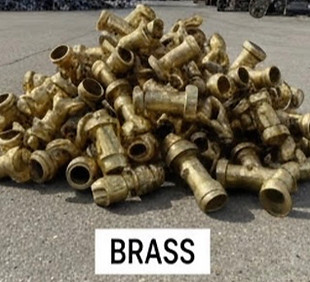
Most of the brass we buy started life as plumbing hardware. Faucets, valves, and fittings show up more than any other brass source, and they're accepted right alongside the rest of your non-ferrous load.
Brass

Non-ferrous metals contain no iron, so they do not rust and do not stick to a magnet. Copper, aluminum, and brass are the three core non-ferrous metals Ironman Metals buys, and each typically earns a higher price per pound than ferrous scrap.
Non-Ferrous Metals
Visit Ironman Metals at 1919 Goodyear Drive in Houston
Ironman Metals operates at 1919 Goodyear Drive, Houston, TX 77017, near the Houston Ship Channel and State Highway 225. Call (281) 974-2651 to ask about stainless grading, roll-off containers, or scheduling a large load, or drive in and weigh your stainless today.