
Where Houston's Steel and Iron Scrap Actually Goes
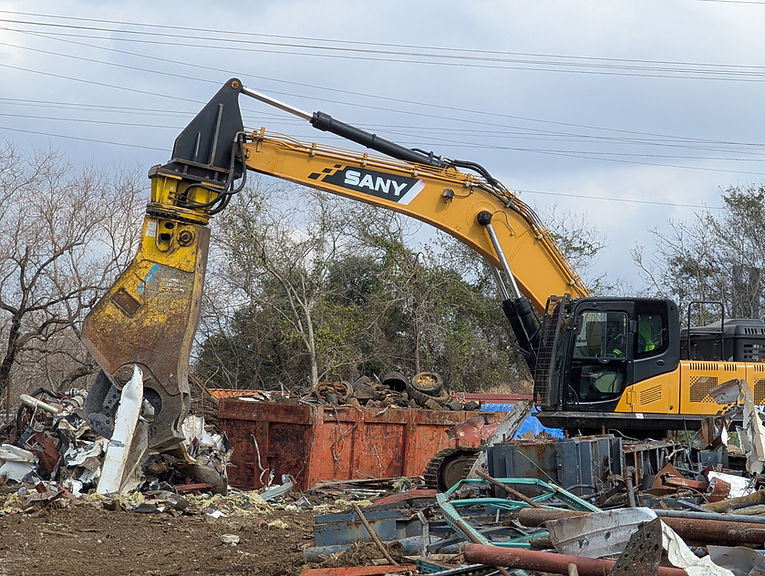
Steel and iron are the highest-volume materials that come through Ironman Metals, and for good reason, southeast Houston's mix of industrial plants, construction sites, and residential demolition work generates a steady stream of it. Structural beams, appliances, machinery parts, pipe, rebar, and construction debris all qualify, whether it shows up as a single truckload from a homeowner clearing out a garage or a scheduled roll-off pickup from an active job site.
Ironman Metals processes both ends of that range on the same 7-acre facility. A drive-in customer with a pickup bed of scrap gets weighed and paid the same day. A contractor or industrial account generating steady volume gets a free roll-off container and a pickup schedule built around actual output, not a one-size-fits-all visit.

What Are the Top Sources of Ferrous Scrap in Houston, TX?

Construction and Demolition
Rebar, structural steel, and framing material from residential and commercial demolition or renovation projects.

Industrial Maintenance
Piping, machinery components, and structural material from plant turnarounds and maintenance work throughout the Ship Channel corridor.

Automotive and Equipment
Vehicle parts, engine blocks, and equipment housings from repair shops, junkyards, and fleet maintenance.

Residential Cleanouts
Appliances, fencing, and miscellaneous steel from garage cleanouts, property cleanups, and estate work.
What Qualifies as Steel and Iron Scrap
Most ferrous material is accepted, but condition and contamination affect how it's graded. Common accepted material includes structural steel, rebar, pipe, angle iron, appliances (with refrigerant-containing units requiring separate handling), automotive parts, machinery, and demolition debris. Heavily contaminated material, mixed with non-metal debris, insulation, or hazardous residue, may be downgraded or rejected depending on condition.

What Happens When You Drop Off Steel and Iron Scrap
Drive In and Weigh
Pull onto the scale with your load, no appointment needed for standard drive-in drop-off.
Material Inspection
Your load is visually inspected for grade and contamination before final weight is confirmed.
Grading and Pricing
Material is priced according to type, grade, and current market rates, with the final number calculated on the spot.
Recieve Payment
Payment is made by check or cash. We'll confirm the method that works best for you at drop-off.
Unload and Exit
Once payment is confirmed, material is unloaded and you're on your way. Most standard drop-offs take just a few minutes from scale-in to scale-out.

How Should I Prepare Steel and Iron Scrap Before Drop-Off?
A little prep work before your visit affects both the grade and the speed of your transaction.
Separate by Grade When Possible
Clean structural steel grades higher than mixed or painted material. Keeping loads separated by type speeds up weighing and grading.
Remove Non-Metal Attachments
Insulation, wood, plastic housings, and other non-metal material should be stripped where practical, since heavily contaminated loads may be downgraded.
Drain Fluids from Automotive and Equipment Parts
Engine blocks, transmissions, and similar parts should have fluids drained before drop-off.
Handle Appliances Separately
Refrigerant-containing appliances (refrigerators, air conditioners, freezers) require separate handling due to refrigerant recovery requirements. Confirm before your visit if you're bringing one.
At Ironman Metals Recycling, we are dedicated to preserving our planet through sustainable metal recycling practices by transforming discarded metals into reusable materials. Our eco-friendly approach not only supports a circular economy but also contributes to a clean, healthier environment for future generations.
Trusted Commercial Steel Scrap Service in Houston, TX
Operations generating regular ferrous scrap, construction contractors, manufacturing facilities, plant maintenance crews, can set up a free roll-off container sized to actual volume, with pickup scheduled around real output rather than a fixed calendar. On-site live loading is also available for operations with the equipment on hand to load directly during a visit.


Serving Greater Houston and the Ship Channel Corridor
Pasadena, TX
Refinery and marine terminal maintenance generates a steady flow of structural steel and pipe from plant turnarounds.
Galena Park, TX
Port and marine operations produce ferrous scrap from terminal equipment and structural material.
Deer Park, TX
Petrochemical plant maintenance is a consistent source of piping, structural steel, and machinery components.
Baytown, TX
Large-scale industrial and refining operations generate higher-volume ferrous loads suited to roll-off container service.
La Porte, TX
A mix of industrial maintenance scrap and residential or contractor drop-off traffic.
Channelview, TX
Manufacturing and processing facilities along the Ship Channel corridor generate consistent structural and machinery scrap.
South Houston, TX
The closest residential base to the facility, frequent source of walk-in drop-offs from garage cleanouts and small demolition jobs.
Greater Houston
We're not limited to the Ship Channel corridor. Customers regularly drive in from Katy, Sugar Land, Pearland, Missouri City, Humble, Spring, Cypress, The Woodlands, and League City, bringing everything from construction debris to old appliances and structural material from home renovation projects.
Don't see your area listed? Contact us, we likely still serve your location.
Other Materials Ironman Metals Accepts

This is the material Ironman Metals processes in the highest volume, day in and day out. Whether it's rebar pulled from a demo site, structural beams, or old appliances, if it's steel or iron, it's coming through the yard constantly.
Steel and Iron
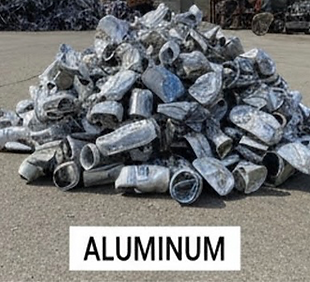
Grade and condition determine price here, not just weight. We see everything from crushed cans to structural extrusions, siding, and wheels — the more sorted it arrives, the better it pays.
Aluminum
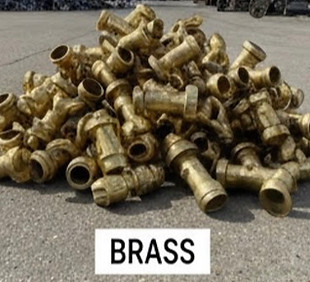
Most of the brass we buy started life as plumbing hardware. Faucets, valves, and fittings show up more than any other brass source, and they're accepted right alongside the rest of your non-ferrous load.
Brass

Don't lump this in with regular steel — the added nickel and chromium content means it's graded and priced on its own. Commercial kitchen equipment, industrial tanks, and fabrication scrap are where most of it comes from.